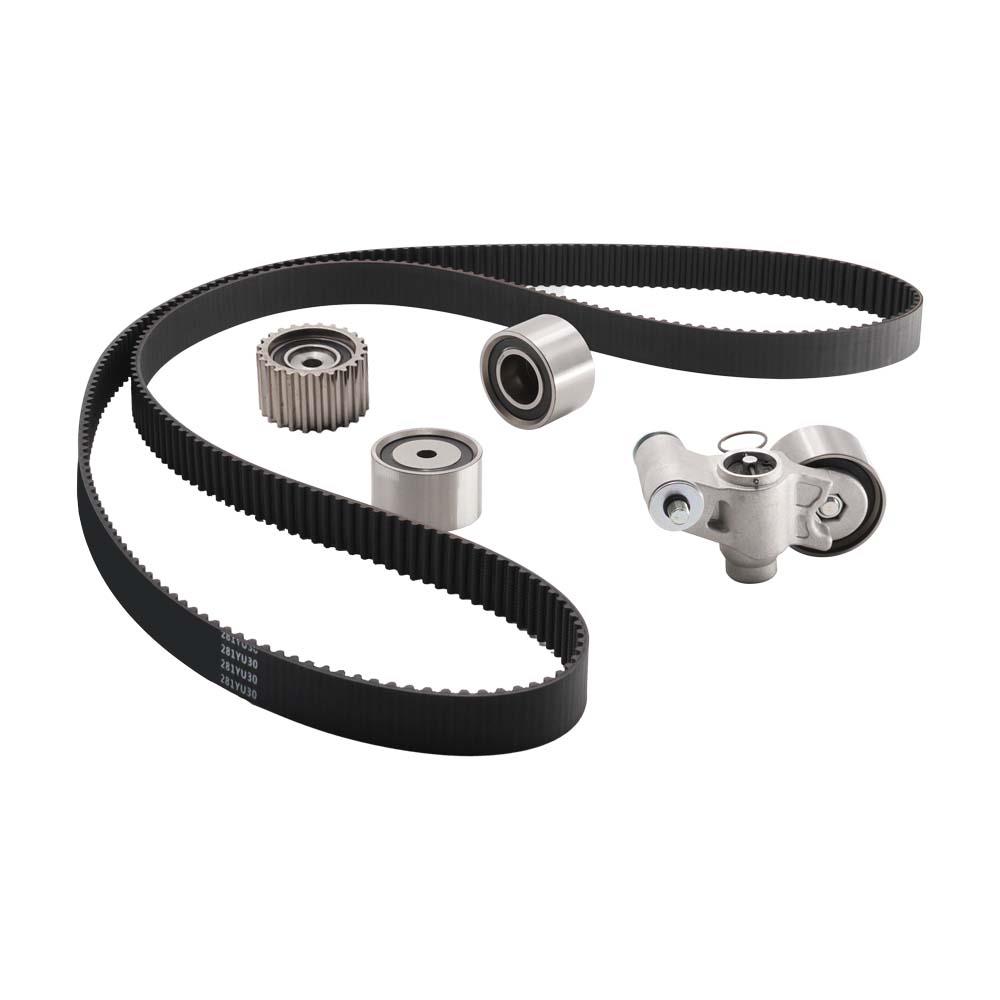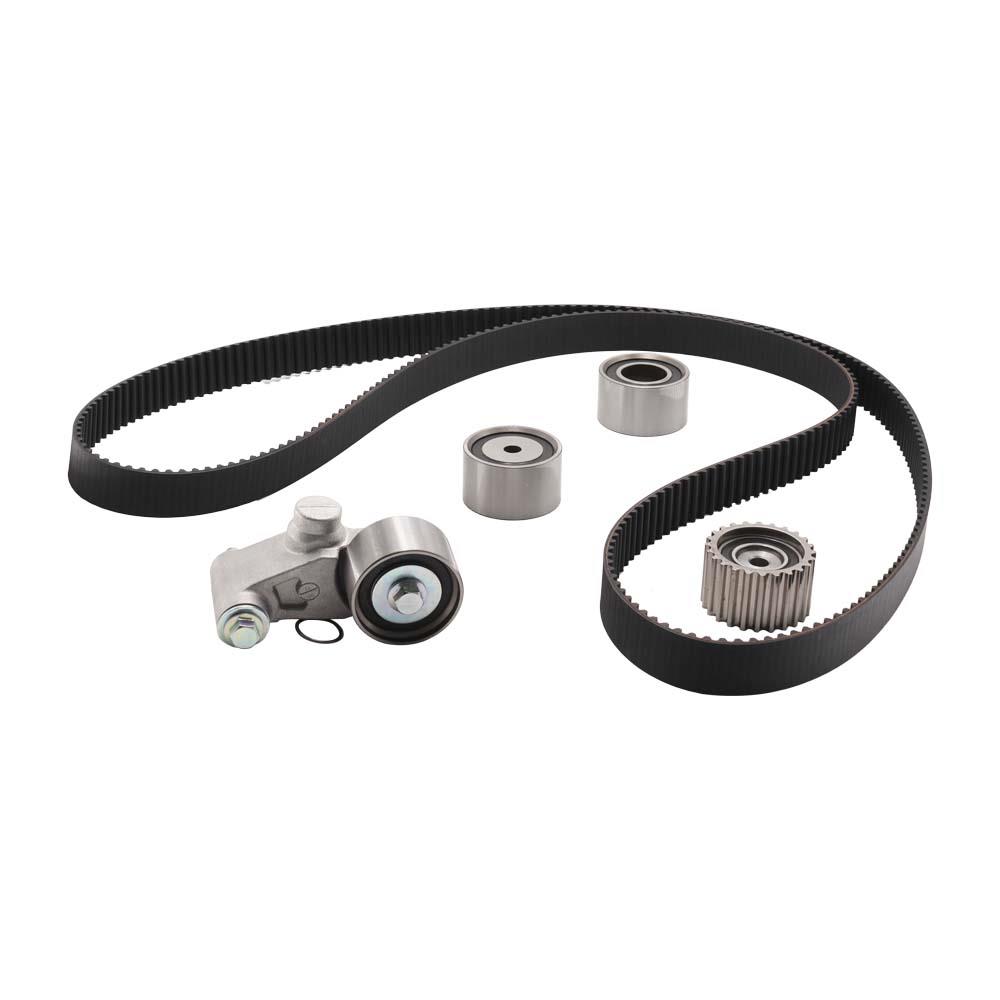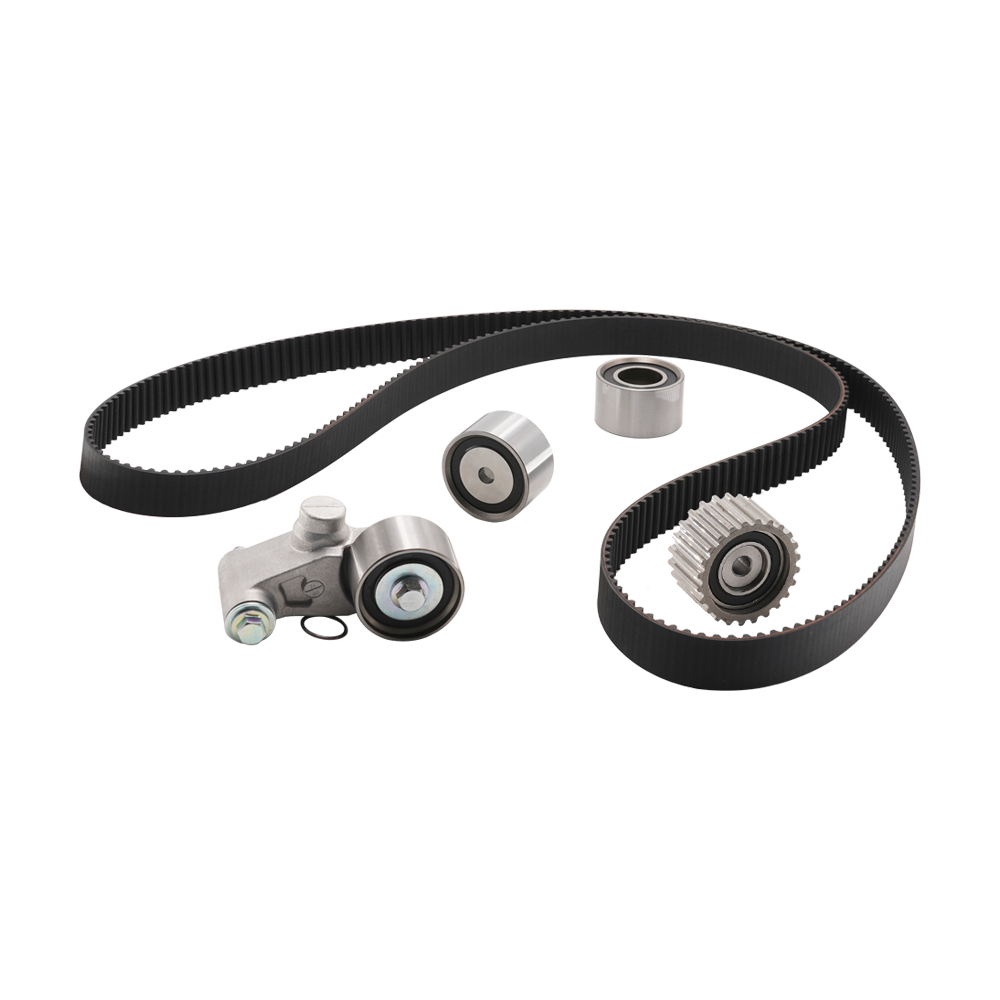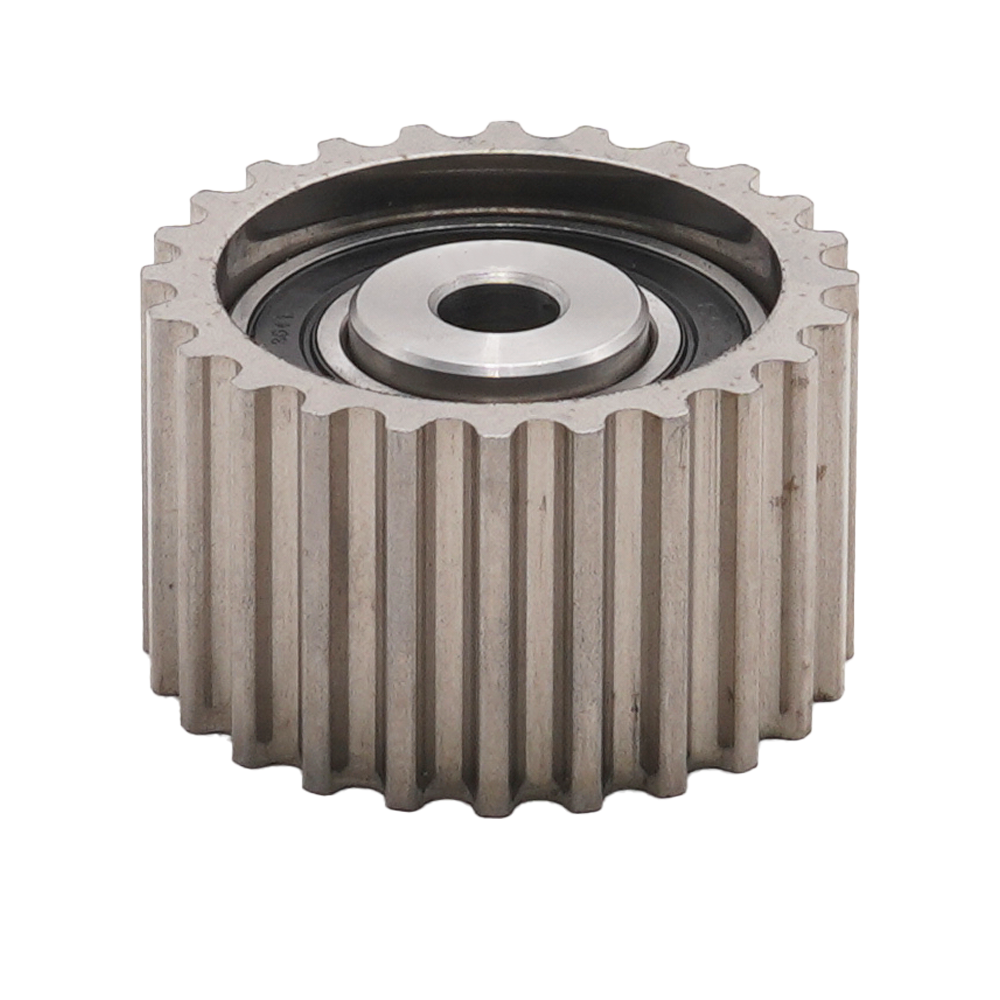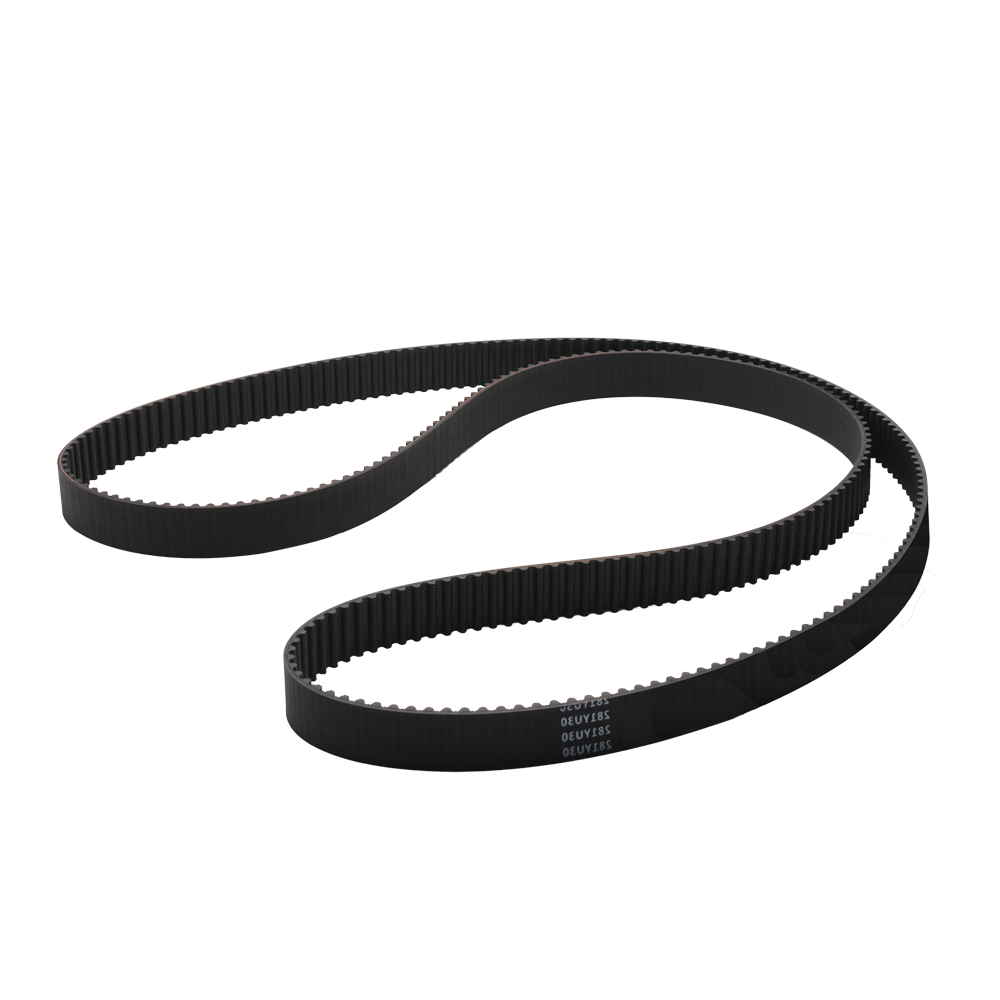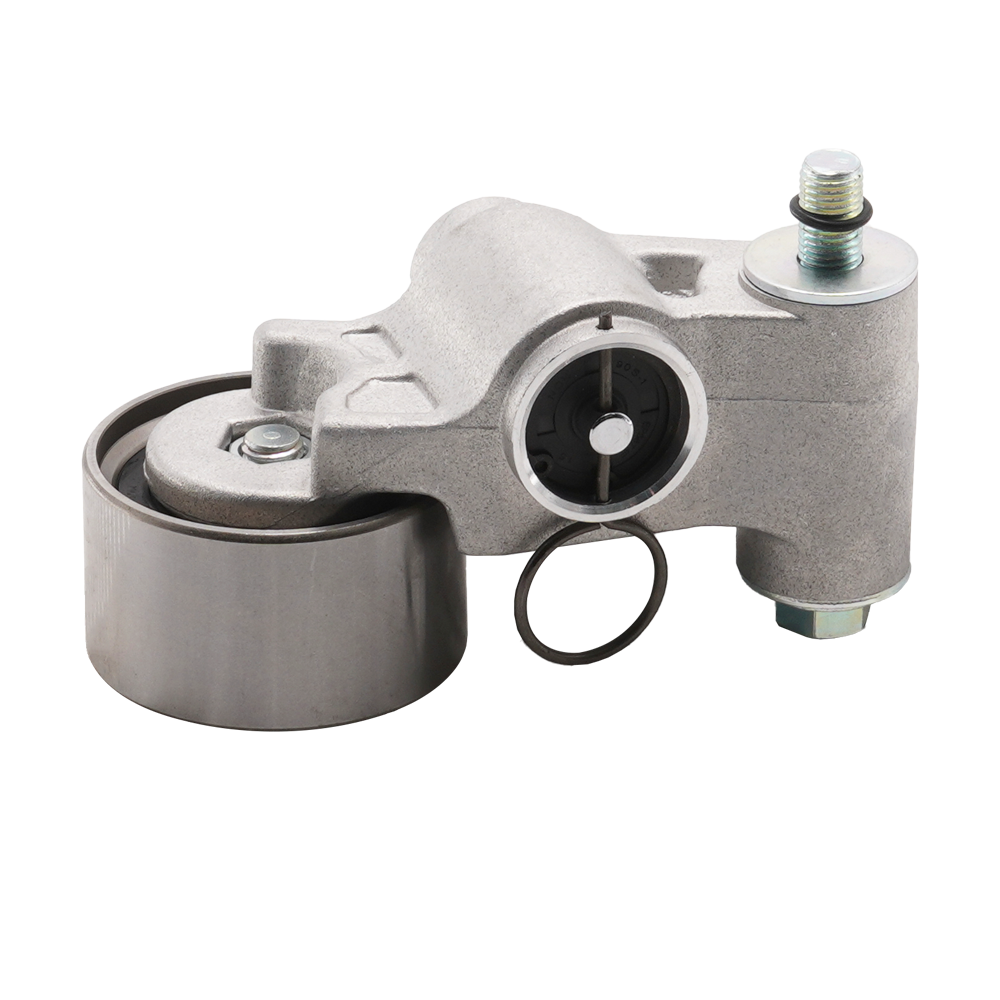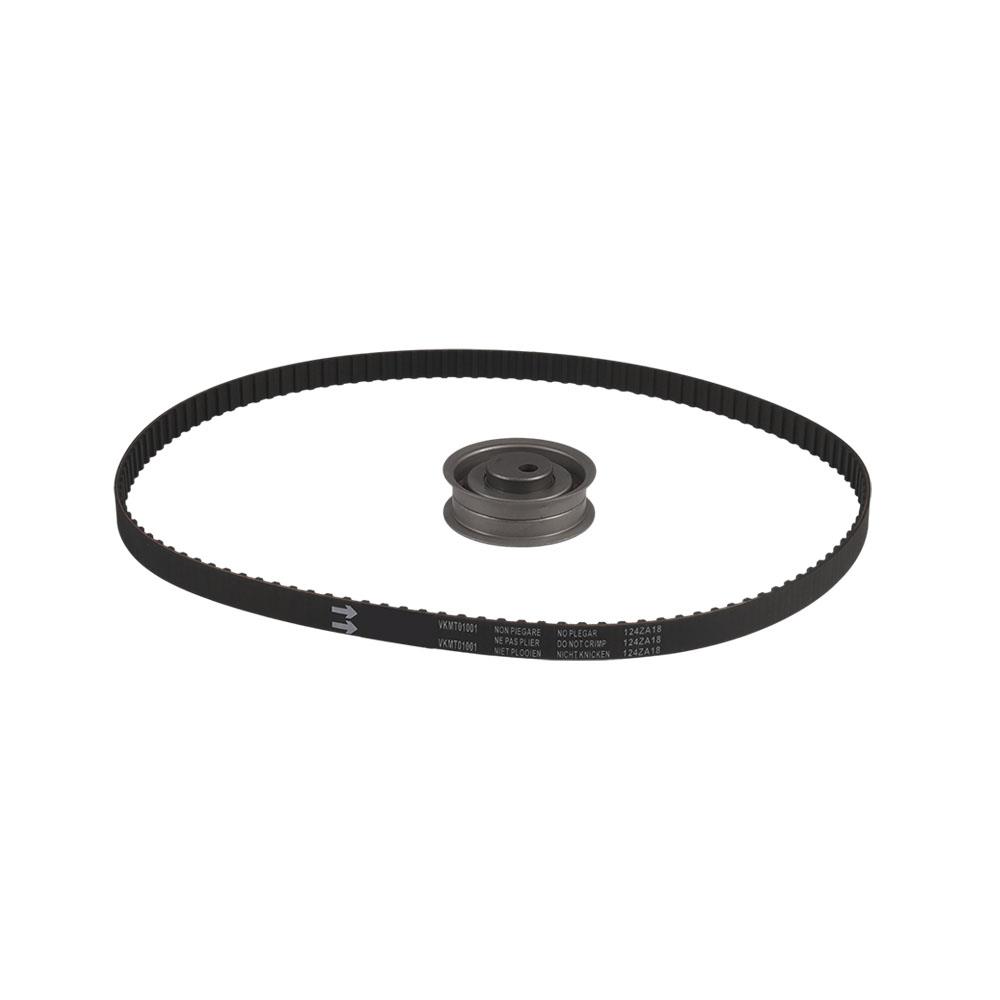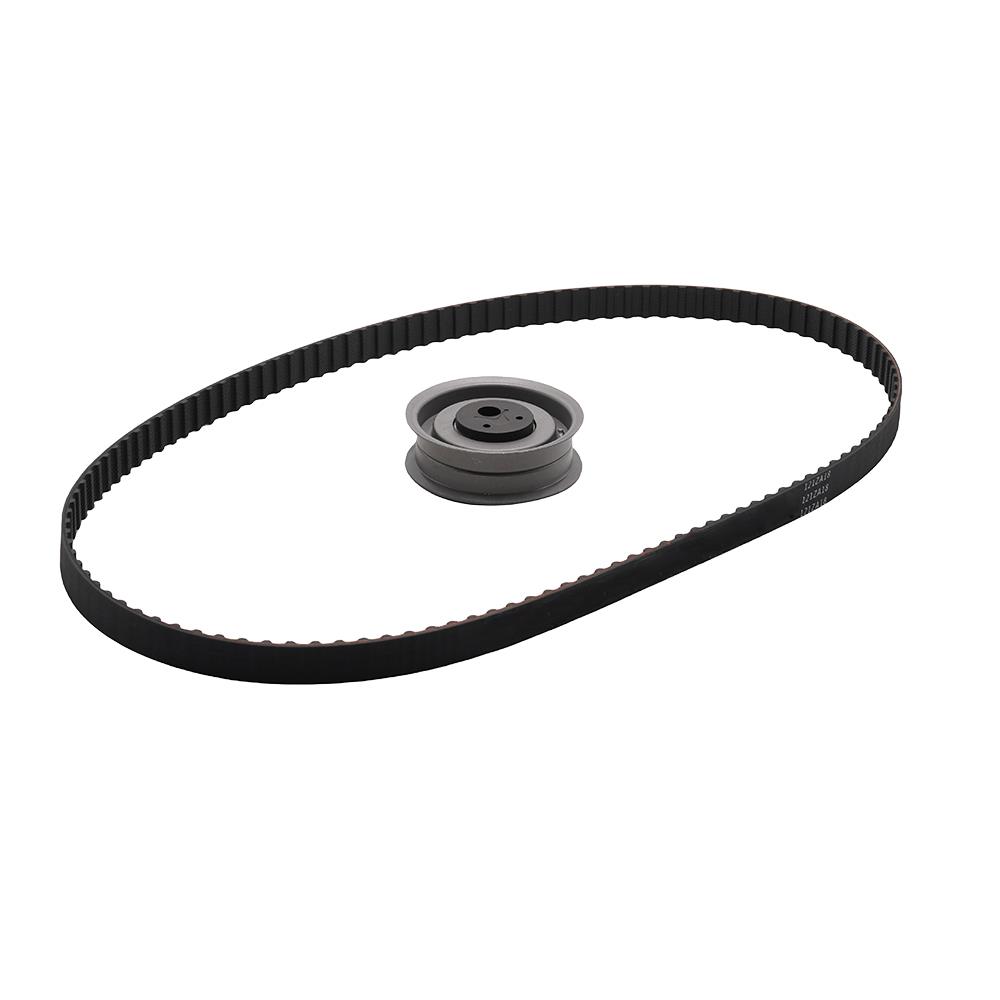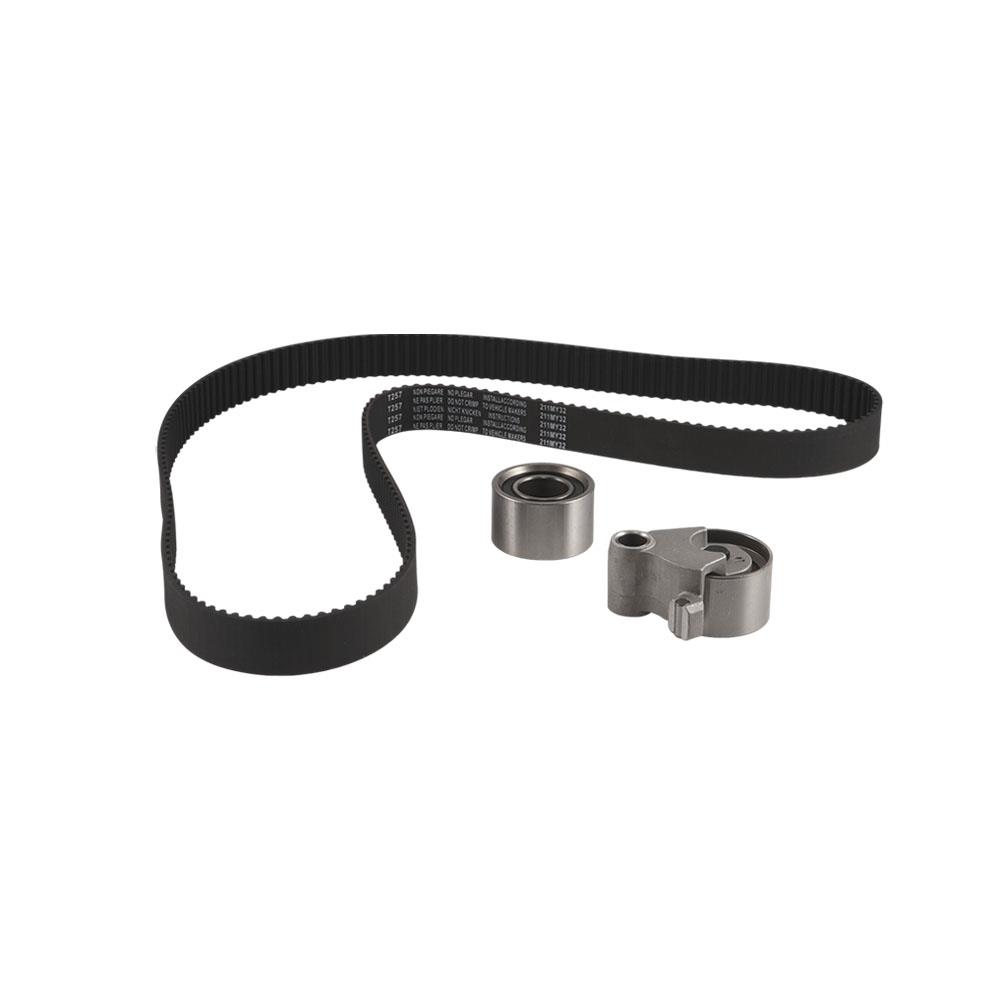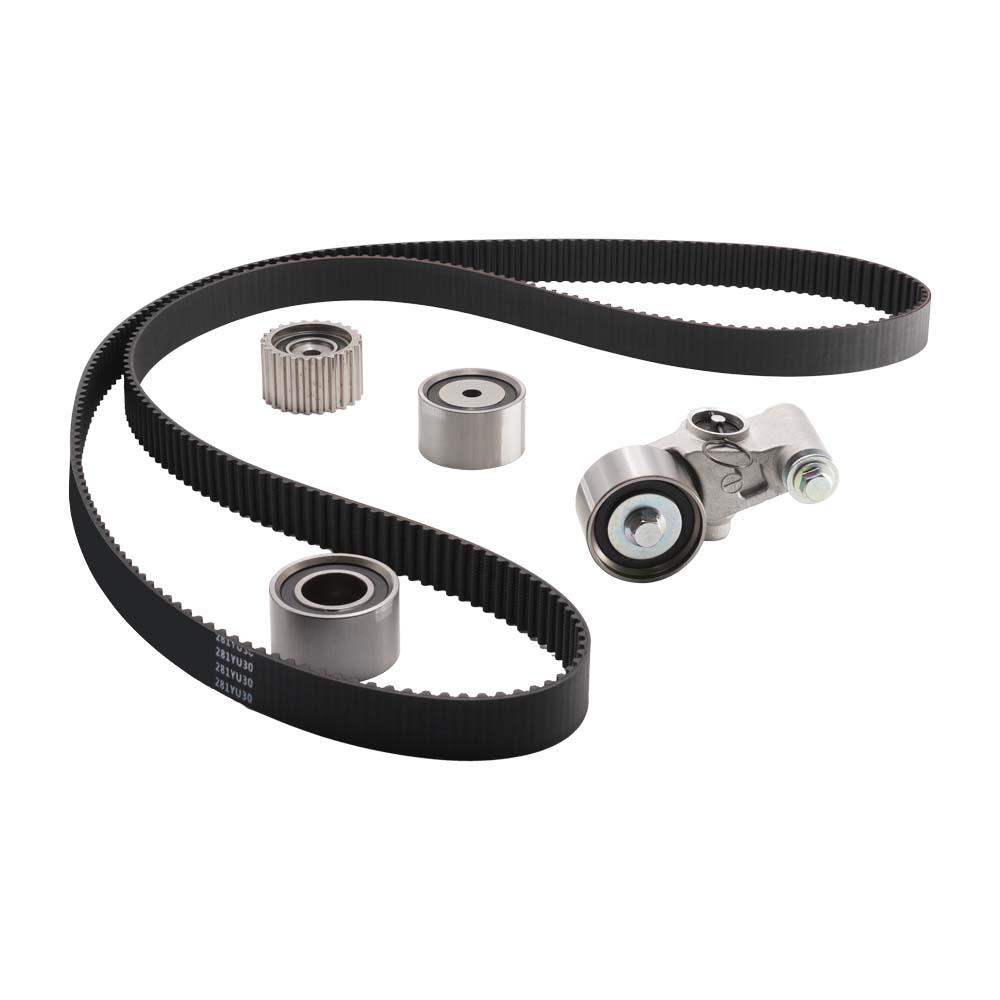

Article number: TAK25001A FOCUSON ENGINE's product is cross-referenced with this one.
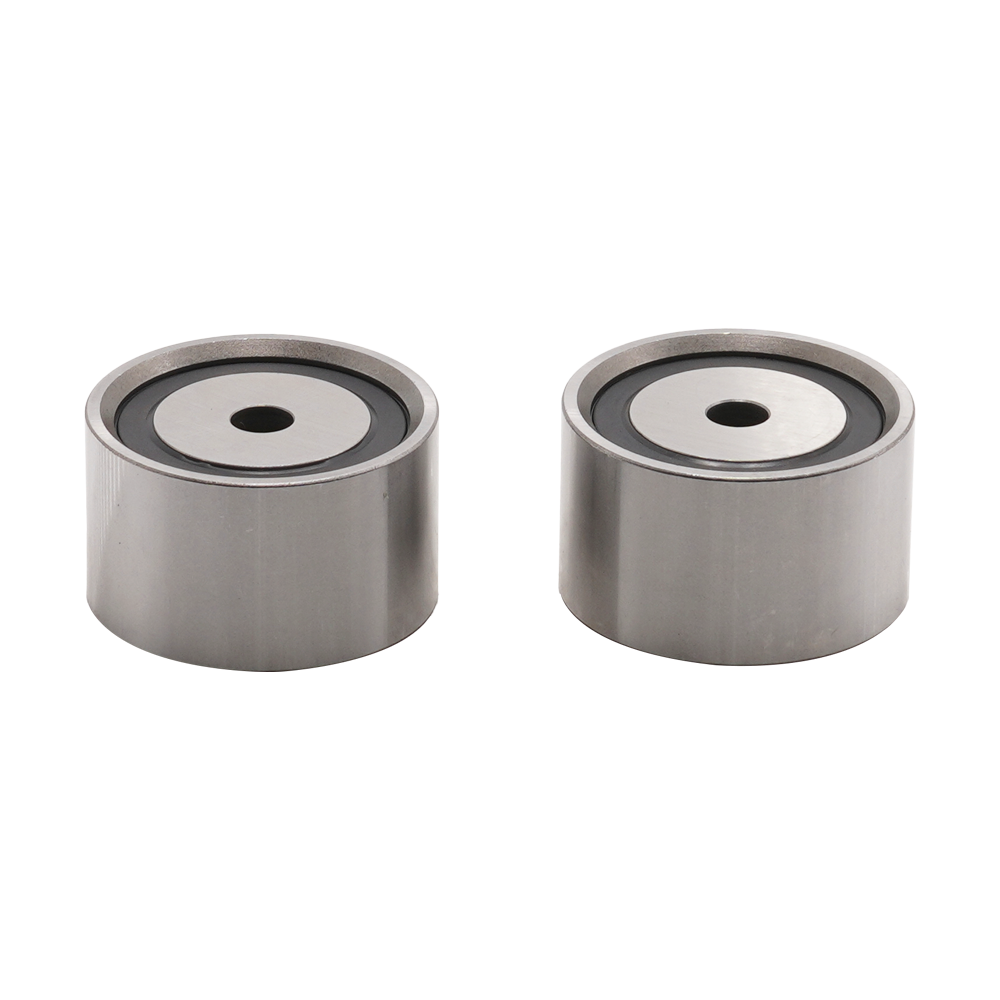
A timing belt kit includes all the necessary components to replace the timing belt, such as pulleys, tensioners, and water pump, ensuring proper timing and smooth engine operation.
Tailored for wholesale and OEM needs, our VKMA 98112 support OE number cross-reference. Please consult our sales team for MOQ and procurement details.
Details
|
Number of Teeth 281 |
|
Colour Black |
|
Belts with rounded tooth profile |
|
Belt Width [mm] 30 |
Parts List
OEM Numbers
Interchange Numbers
Vehicle Fitment
| Make | Model | Type | Engine Code | Capacity | Fuel Type | Year | Power |
|---|
| SUBARU | IMPREZA Saloon (GC) | 2.0 Turbo GT AWD (GC8) | EJ20 (Turbo) | 1994 CCM / 2.0 L | Petrol | 1994-03-01 2000-12-01 |
155 KW / 211 PS |
| SUBARU | IMPREZA Estate (GF) | 2.0 i Turbo AWD (GF8) | EJ20 (Turbo) | 1994 CCM / 2.0 L | Petrol | 1994-03-01 2000-12-01 |
155 KW / 211 PS |
| SUBARU | IMPREZA Coupe (GFC) | 2.0 Turbo AWD (GC8) | EJ20G | 1994 CCM / 2.0 L | Petrol | 1996-12-01 2000-12-01 |
155 KW / 211 PS |
| SUBARU | LEGACY II (BD) | 2.5 i 4WD (BD9) | EJ25D | 2457 CCM / 2.5 L | Petrol | 1996-06-01 1999-03-01 |
110 KW / 150 PS |
| SUBARU | LEGACY II Station Wagon (BG) | 2.5 i 4WD (BG9) | EJ25D | 2457 CCM / 2.5 L | Petrol | 1996-06-01 1998-11-01 |
110 KW / 150 PS |
| SUBARU | LEGACY OUTBACK (BG) | 2.5 (BG9) | EJ25D | 2457 CCM / 2.5 L | Petrol | 1996-01-01 1999-12-01 |
110 KW / 150 PS |
Overview
| Car models | SUBARU IMPREZA Saloon (GC); SUBARU IMPREZA Estate (GF); SUBARU IMPREZA Coupe (GFC); SUBARU LEGACY II (BD); SUBARU LEGACY II Station Wagon (BG); SUBARU LEGACY OUTBACK (BG) |
| Engines | EJ20 (Turbo); EJ20G; EJ25D |
| Engine power (horsepower) | 150-211 HP |
| Power (kilowatts) | 110-155 KW |
| Year of manufacture | 1994-2000 |
FAQs
Kits usually include the timing belt, tensioners, and sometimes additional components like water pumps.
Benefits include convenience, cost savings, and ensuring all components are compatible and properly installed.
It ensures proper engine timing, reducing the risk of misfires and engine damage.
Replacing all components simultaneously ensures optimal performance and prevents future failures.